For many yacht owners, the Strait of Gibraltar and the waters off the Iberian Peninsula represent some of the most iconic cruising routes in the world, but in recent years, the area has become known for something far more concerning: repeated orca interactions with sailing yachts.
Since 2020, hundreds of incidents involving orcas damaging yacht rudders and steering systems have been reported in waters between Spain, Portugal and North Africa. Some vessels have suffered extensive structural damage with others having been sunk entirely.
For owners planning Mediterranean or Atlantic passages, the issue is no longer viewed as an isolated wildlife encounter, it has become a genuine navigational and insurance consideration.
A growing pattern of orca attacks on yachts
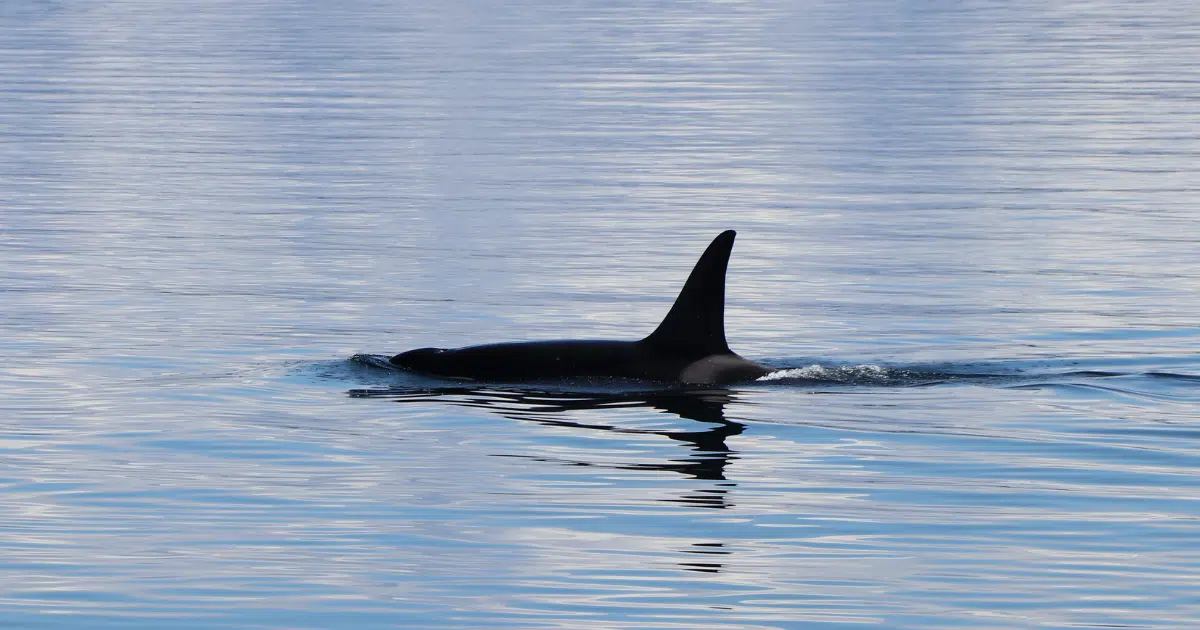
Numerous documented incidents show orcas focusing specifically on rudders and steering assemblies, often repeatedly ramming or biting them until the vessel becomes disabled.
In May 2024, the yacht Alboran Cognac sank in the Strait of Gibraltar after an encounter with orcas caused significant damage and flooding; the crew had to abandon the vessel and were rescued safely.
Another British yacht reportedly sank in July 2024 after a prolonged encounter in which the steering system was disabled.
Researchers continue to debate the cause of the behaviour; some believe it may stem from learned social behaviour among a specific pod, potentially linked to previous traumatic encounters with vessels. Others suggest curiosity or playfulness, rather than aggression. Regardless of the reasoning, the outcome for yacht owners can be severe.
Why rudder damage is so serious
Modern sailing yachts rely heavily on rudder and steering integrity, particularly when navigating busy shipping lanes or coastal waters.
Many reported orca incidents involve:
- Destroyed rudders
- Steering system failure/Loss of manoeuvrability
- Hull impact damage
- Water ingress
- Emergency rescue situations
Damage to a rudder, keel or steering system can derail an entire racing programme, with replacement components often taking months to manufacture and install.
The danger increases significantly in strong currents or confined waters such as the Strait of Gibraltar, where commercial traffic and weather conditions can complicate emergency response.
Even if the vessel remains afloat, being left without steering hundreds of miles from your home marina can quickly become a logistical and financial challenge.
What happens if your yacht becomes stranded?
One of the less discussed consequences of these incidents is what happens after the immediate rescue.
Several yachts damaged near Moroccan waters or the southern approaches to Gibraltar have required towing, emergency haul out, temporary repairs or salvage operations in unfamiliar ports. Depending on the extent of the damage, owners may find themselves effectively stranded while assessments, parts sourcing and repair arrangements are organised. This is where the importance of specialist yacht insurance becomes very clear.
Repairing advanced steering systems, composite rudders or structural hull damage overseas is rarely straightforward. Parts may need to be shipped internationally, surveyors may need to attend remotely, and local repair infrastructure can vary significantly from port to port.
In some cases, owners report that repairs and associated administration can take many months. Certain complex claims involving cross-border logistics, salvage or specialist fabrication may take close to a year to fully resolve.
Without appropriate insurance in place, owners could face substantial costs, including:
- Emergency towing and rescue
- Salvage expenses
- Temporary accommodation
- Repatriation costs
- Marina and storage charges
- International transport of parts
- Surveyor fees
- Legal and customs complications
The role of whale detection and deterrent technology
As reports of orca interactions continue to increase, yacht owners are increasingly looking beyond traditional passage planning and exploring technologies designed to reduce the likelihood of whale and cetacean encounters.
One such solution is the WhaleShield, an acoustic whale deterrent developed by marine technology specialists Future Oceans. Originally designed to help reduce collisions between vessels and large whales, the system has since been adopted by a number of offshore racing campaigns, including IMOCA 60 and Ultime projects, where whale strikes have become a significant safety concern.
Unlike sonar systems, which are designed to detect objects underwater, WhaleShield is intended to alert whales to a vessel’s presence before an encounter can occur. Installed within a yacht’s keel bulb, it emits randomised acoustic signals between 3 kHz and 12 kHz that are audible to many whale species.
With sound travelling through seawater at approximately 1,500 metres per second, whales may detect the signal from more than 1,000 metres away, providing around 75 seconds to alter course and avoid a yacht travelling at 25 knots.
The system emits one acoustic signal per second and can operate on either 12V or 24V power supplies. Designed specifically for offshore racing yachts, performance cruisers and blue water passage making vessels, it adds no measurable drag and requires only minimal power consumption.
The principles behind WhaleShield are based on more than four decades of scientific research into the use of acoustic warning devices. In the 1980s, Canadian researcher Jon Lien demonstrated that 3 kHz acoustic signals reduced interactions between humpback whales and commercial fishing gear. Subsequent studies in California found that acoustic pingers significantly reduced interactions with cetaceans and other marine mammals, while long term research programmes reported the elimination of beaked whale bycatch following the introduction of acoustic warning devices.
The technology has since been adopted by commercial fisheries, researchers and government programmes around the world. In Australia, for example, whale pingers are fitted to shark control nets and selected drum lines to provide an audible warning to whales and dolphins.
While no deterrent technology can guarantee the complete elimination of whale strikes or orca interactions, the scientific evidence suggests that Acoustic Deterrent Devices (ADDs) like WhaleShield, and warning systems can play an important role in reducing the likelihood of encounters. Deterrent systems are increasingly being viewed as part of a wider risk management strategy that may include:
- Monitoring recent orca sighting reports
- Using recognised transit routes and exclusion zones
- Adjusting passage timings in high risk areas
- Employing acoustic whale deterrent technology
- Maintaining robust emergency and communications procedures
Why standard yacht insurance may not be enough
Not all yacht insurance policies are designed with complex offshore risks in mind. Owners cruising internationally should carefully review whether their policy includes:
- Overseas cruising limits
- Salvage and wreck removal
- Emergency assistance
- Accommodation costs
- International repairs
- Transit and recovery costs
- Liability in foreign jurisdictions
- Agreed value cover
- Surveyor attendance
- Crew and guest protection
- Legal support overseas
Cruising areas also matter as some insurers may apply restrictions or additional underwriting requirements for higher risk regions or offshore passages.
From an insurance perspective, deterrent technologies fit within a long-established approach to risk management. Insurers routinely encourage the use of technologies that reduce the frequency or severity of losses, including vessel tracking systems, fire suppression equipment, bilge monitoring systems, intrusion alarms and collision avoidance technologies.
These systems are not expected to prevent every incident; they are valued because they help reduce overall risk exposure. The same principle can be applied to whale strike mitigation technologies.
Having an insurer that understands blue water sailing, international claims handling and the realities of extended repairs abroad can also make a significant difference when dealing with a major incident.
Orca encounters are no longer just viral videos
Videos of orca interactions with yachts have spread rapidly across YouTube and social media over the past two years, bringing global attention to the issue.
While sightings of these intelligent animals remain extraordinary experiences, the financial and practical implications of vessel damage caused by them can be anything but.
For owners planning Mediterranean cruising or Atlantic crossings, preparation now extends beyond charts and weather routing; it also means ensuring your insurance arrangements are capable of responding when the unexpected happens far from home.
To discuss specialist yacht insurance and protection for international cruising, contact our experienced team on 01653 609107 or at info@soakinsure.co.uk.