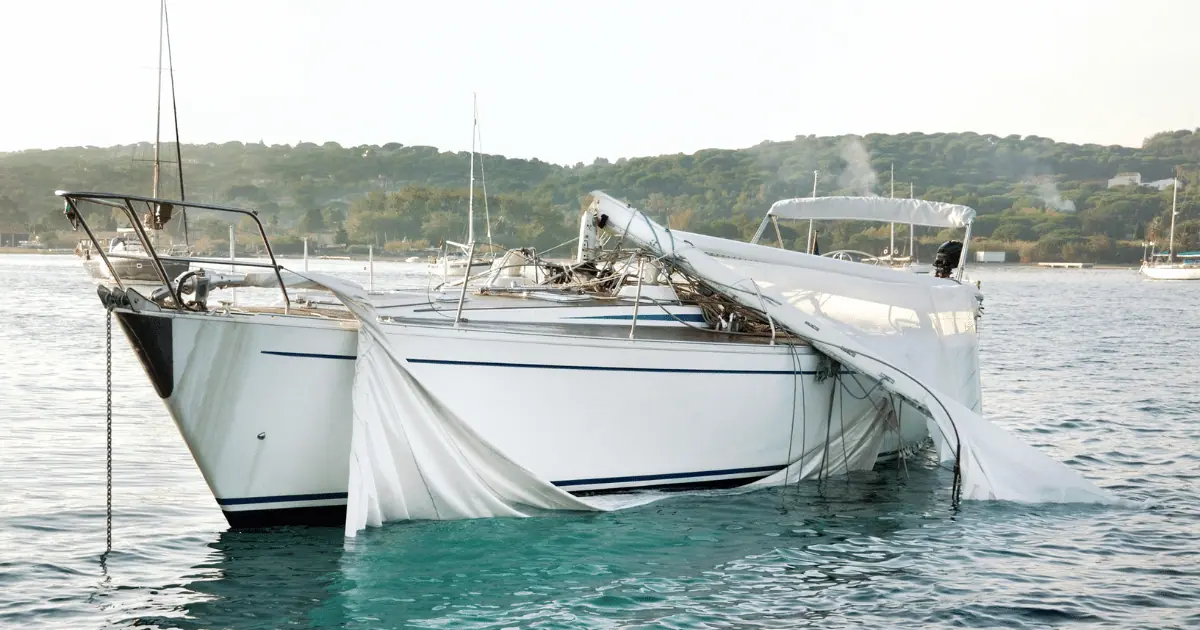
With UK sailors sailing through the year, we tend to see a surge in claims during and after the summer period. Here, we outline some preventative measures you can take to help protect your mast from breaking and keep your crew safe.
The solution to dismasting: prevent it from happening
Dismasting generally occurs when sailing under rough or windy conditions; the mast breaks due to stress either directly caused by these conditions or indirectly, with a build-up of general wear and tear, lack of maintenance, or old age contributing. With modern rigs, you may think that the carbon or alloy masts they are fitted with should be able to stand the test of poor sailing conditions, but even they can be susceptible to damage if they are not maintained properly. Keeping your rig in good condition is therefore essential, not to mention an important factor in reducing payments of claims excesses, or worse, the costs you would have to foot yourself if you’ve not got the right insurance in place.
As part of the yacht’s maintenance, particular focus should be given to creating and maintaining a mast log, which includes things like saved invoices and maintenance work recordings. When it comes to dismasting claims, we are finding that insurers are increasingly requesting this type of information prior to making a decision on a claim. We also recommend to those who are purchasing a used boat, to request mast maintenance records from the seller as this helps build an overall picture of how the vessel has been maintained. This allows you to know the point from which you are starting so that you can then ensure regular maintenance to prevent suffering from a dismasting incident.
If the worst happens
If the mast on your rig breaks, it can be a challenging and potentially dangerous situation for you and your crew as it is common for people to get hurt in these scenarios. Here, we outline the steps you should take to address this type of emergency:
1. Ensure Safety: First and foremost, ensure the safety of all crew members on board. Make sure everyone is wearing life jackets and is accounted for.
2. Secure Loose Rigging and Sails: If there are any loose rigging, sails, or debris from the broken mast, secure them to prevent further damage or injury. Use ropes or lines to tie down any loose equipment.
3. Cut Away the Damaged Mast: If the broken mast poses a significant risk to the rig, it may be necessary to cut it away to prevent further damage or capsizing. Use a hacksaw or other cutting tools if available.
4. Deploy the Emergency Sail: If you have a backup or emergency sail, deploy it to maintain some level of control over the vessel. This will help you manoeuvre and head for safety. Kite technology has also progressed to the point where an emergency kite can be deployed following mast failure, helping you navigate back to safety. The cost of having this type of solution has reduced significantly, making it a worthwhile tool to consider, especially for trans-ocean passages. This too can prove a useful safety net.
5. Call for Assistance: Use your vessel’s communication equipment, such as a VHF radio or satellite phone, to call for assistance. Inform the Coast Guard, marine rescue services or nearby vessels about your situation and location.
6. Check for Injuries: Assess if anyone on board has sustained injuries during the mast breakage. Provide first aid as necessary and request medical assistance if required.
7. Navigate Safely: Depending on your rig, you may need to motor to a safe location or use your emergency sail to navigate. Be cautious of wind and sea conditions and, naturally, try to avoid hazards.
8. Document the Incident: Take photos or make notes of the damage and the circumstances surrounding the mast breakage. This documentation may be necessary for insurance claims and/or investigations when it comes to making a claim.
9. Prepare for Salvage: If the mast is salvageable, you may want to consider a salvage operation at a later date, once safety is ensured.
10. Report the Incident: After the emergency has been resolved and everyone is safe, report the incident to the relevant maritime authorities and your insurance provider.
It is crucial to be prepared for such emergencies by having safety equipment, communication devices, and a clear understanding of emergency procedures onboard your vessel. As mentioned above, regular maintenance and inspections of your mast and rigging can also help prevent such incidents from occurring. This preparation and ongoing maintenance is also likely to be called upon by insurers in the event you make a claim though, of course, prevention is always best.
How Soak Insure can help
At Soak Insure, we offer specialist marine insurance advice and arrange policies to help rig owners across the globe make the most out of their time on the water. Our insurance products are designed to give you peace of mind around the protection of your valuable assets against unforeseen circumstances, as well as those that maintenance may not have prevailed.
To safeguard your rig against potential damages, liabilities, and unforeseen events, contact our experienced team on 01653 609107 or at info@soakinsure.co.uk. We will be happy to provide you with a complimentary review of your current insurance and source tailored insurance options to suit your unique needs.