With summer here, many are finalising plans and preparing to travel abroad for holidays packed with fun-filled activities and adventure with loved ones.
After all the planning and itinerary building, triple checking passport expiration dates and organising for someone to feed the cat whilst you’re gone, there’s always that feeling like you might have forgotten to do something. With most things, that’s okay; after all, you can buy shampoo, swimming costumes and phone chargers when you get there – what you do need to remember though is travel insurance.
Before you depart
When travelling internationally, especially when partaking in activities that carry a degree of risk, you should always purchase appropriate travel insurance before you go. Without this, you could be caught with emergency expenses for medical treatment, transportation, or lose money due to cancelled activities or accommodation. There’s also cover to consider for unprecedented events such as Coronavirus.
If you already have a travel insurance policy, for example an annual policy or family policy, check what cover it provides as it could include things like medical treatment or personal injury, damaged or delayed baggage and cancellation protection in the case that the holiday company enters liquidation or ceases operation. Here, we outline some of the specific covers to consider when it comes to travel insurance:
- Cancellation cover – this covers you should you need to cancel your holiday before departure. This can include reasons serious injury, redundancy, or compulsory quarantine.
- Curtailment cover – in the event that your holiday or any activities planned on your trip are cut short due to insured events such as illness and injury to yourself or a close relative, curtailment cover entitles you to claim back a certain proportion of pre-paid elements such as accommodation, excursions and car hire should you have to return home prior to using them.
- Repatriation cover – covers the cost of transporting someone back home in the case that yourself or a person you are travelling with becomes seriously ill or injured, in which ever transport is deemed most suitable. This can include hotel and travel costs incurred in the event of necessary repatriation.
- Personal accident – This cover is designed to protect you in the event of an accident whilst on holiday where this directly results in death, loss of limb, loss of sight or permanent total disablement.
- Medical Expenses – This covers costs for medical, surgical or other remedial attention or treatment needed and all related charges incurred ,such as ambulance and hospital charges. If you are partaking in high-risk activities, ensure you declare these appropriately as it will impact the extent of this cover and the costs the insurer will reimburse.
It is always wise to consult an insurance specialist when purchasing travel insurance for adventure holidays as they will be able to both direct you to the correct and most valuable form of cover and will understand the small print; they can help to clarify any exclusions and terms and conditions before you buy.
Its important that you get the right type of cover for your specific travel needs. Here’s a list of the very basic things to consider:
- Where are you travelling to? Travel insurance to visit the USA is often more expensive and cover extra sections as you could be left with life-changing medical bills should you require medical attention.
- How old are you? There are different policy types such as special senior travel policies and family policies that could give you higher levels of baggage cover, alternative accommodation cover and increased cancellation cover.
- How often do you travel? If you’re sure this will be your only holiday for the year then a single policy is suitable but if there is the possibility you will go on more than one holiday, it is worthwhile looking at an annual travel policy rather than several single-trip policies – this can be cheaper and is much less hassle and organisation for you.
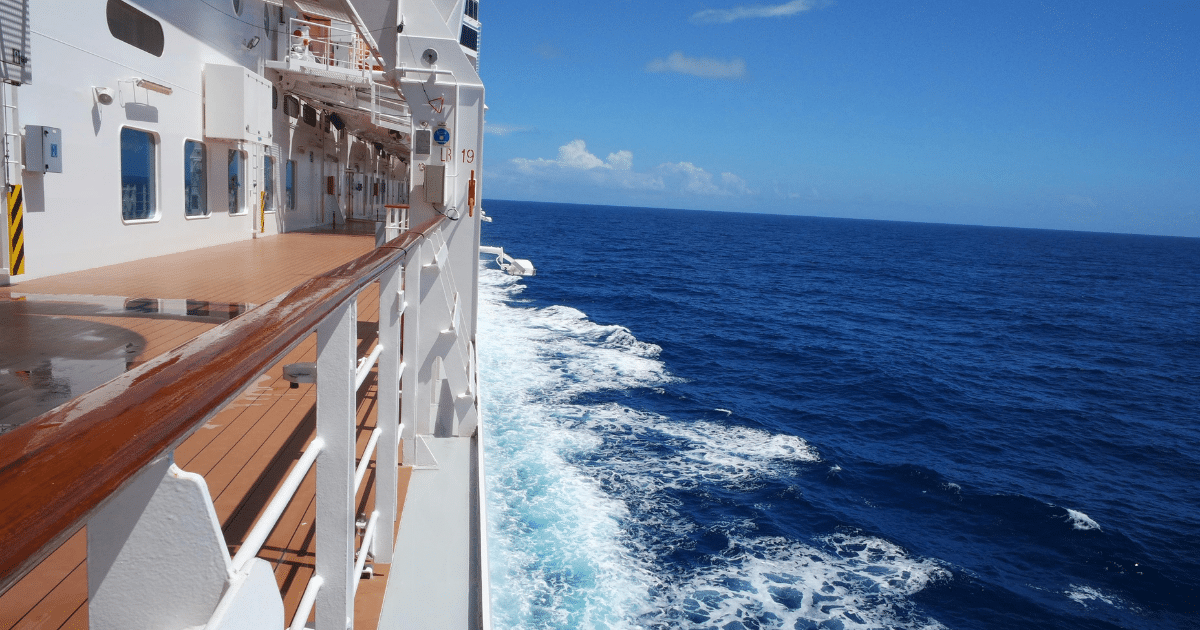
- What will you be doing whilst you’re away? Some higher risk activities require extra cover such as skiing and scuba diving and are not always included in standard policies – cruises also often require additional cover as it is harder to get to a hospital in the case of an emergency.
At a minimum, travel insurance covers that are key include:
- Cover for medical treatment, transportation to the hospital if required and in the case where you are injured or fall ill, cover for getting you home
- Personal injury and cover for accidents or damage caused by you
- Cover for lost or damaged items
- Cover for lost or delayed baggage
- Cover for cancellation or missed departure
The amount and type of cover you need will determine how much you pay – never under-insure yourself just to save money as in the event something does happen, your insurance can be invaluable. Be honest with yourself about what cover you will need and realistic when it comes to the value of your belongings.
While you’re away
Always ensure you take your insurance policy details with you, including the policy number and the emergency assistance numbers of your insurer. It is also a good idea to share the policy details with the people you are travelling with in the case that they need to contact the insurance company on your behalf.
Can we help?
Soak Insure have teamed up with travel insurance specialists, Jackson Lee Underwriting to bring you a range of travel insurance policies. These policies cater for the traditional family holiday as well as sporting activities, training and competition. Our team of experts ensure you are adequately covered and protect your family from the unexpected.